


Haglund’s Deformity: Causes, Symptoms, and Treatment Options
Haglund’s deformity is a condition characterized by a bony enlargement at the back of the heel. This prominence can irritate the surrounding soft tissues, particularly near the Achilles tendon, leading to inflammation and discomfort. Often referred to as a “pump bump,” the condition is commonly aggravated by footwear with rigid backs, such as pump-style shoes, ice skates, or stiff dress shoes.
Although genetic predisposition can play a role, certain structural characteristics—such as high arches or tight Achilles tendons—significantly increase the risk of developing Haglund’s deformity.
Symptoms
The most common signs and symptoms include:
-
A visible lump on the back of the heel
-
Pain at the point where the Achilles tendon attaches to the heel bone
-
Swelling and redness due to soft tissue inflammation
-
Increased discomfort when wearing closed-back or rigid shoes
Pain may gradually worsen over time, especially if friction and pressure continue. Diagnosis typically involves a clinical examination by a foot and ankle specialist, often supported by X-rays to assess bone prominence and foot alignment.
Non-Surgical Treatment
Conservative treatment aims to reduce inflammation, relieve pressure, and improve comfort. While non-surgical methods do not remove the bony enlargement, they can significantly ease symptoms.
Common approaches include:
-
Oral nonsteroidal anti-inflammatory drugs (NSAIDs)
-
Regular application of ice packs
-
Structured Achilles tendon stretching exercises
-
Heel lifts to reduce tendon tension
-
Protective padding around the heel
-
Physical therapy to improve flexibility and strength
-
Wearing supportive, properly fitted footwear
Footwear plays a crucial role in symptom management. Shoes with soft backs and adequate cushioning help minimize friction against the heel. DrLuigi® medical shoes are designed with ergonomic support and shock-absorbing soles, helping to reduce pressure on the affected area while promoting stability and comfort. The soft upper construction decreases irritation and protects sensitive tissue from further aggravation.
Surgical Intervention
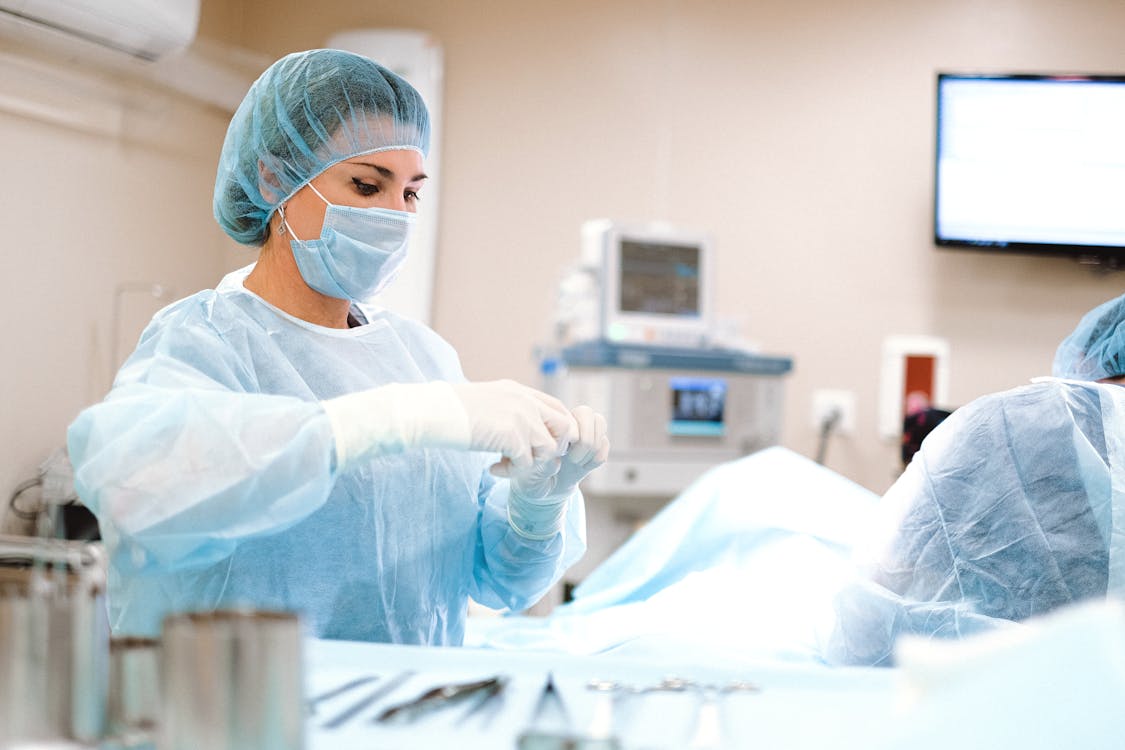
If conservative measures fail to provide sufficient relief, surgical correction may be considered. The specific procedure depends on the severity of the deformity and individual anatomical factors. A foot and ankle surgeon will determine the most appropriate surgical technique.
Postoperative care is essential for proper healing. Strict adherence to medical instructions supports recovery and reduces the risk of complications.
Protecting Mobility and Comfort
Haglund’s deformity can significantly impact mobility and daily comfort if left untreated. Early recognition of symptoms and proactive management—including stretching, inflammation control, and supportive footwear such as DrLuigi® medical shoes—can help prevent progression of the condition.
Consulting a qualified foot specialist ensures an individualized treatment plan focused on pain relief, improved function, and long-term foot health.


